Star Wars: The Mandalorian and Grogu: A Bounty Hunter’s Reckoning
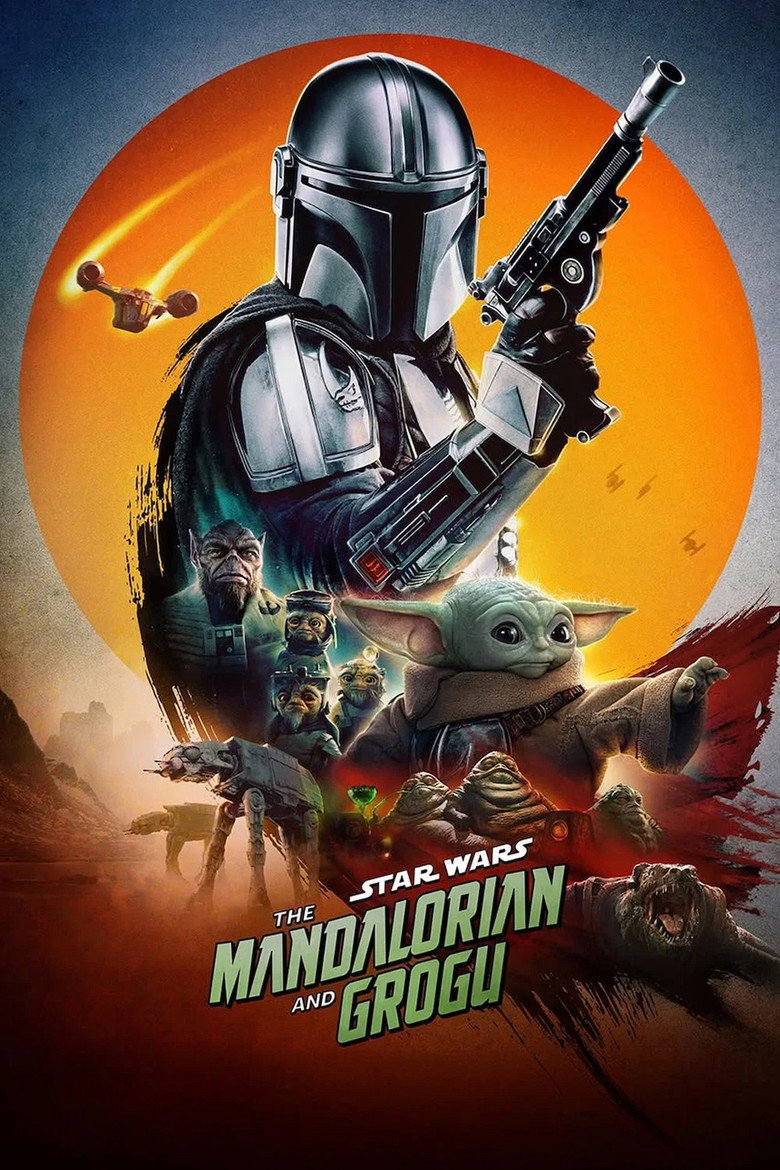
Star Wars: The Mandalorian and Grogu marks the saga’s first standalone theatrical feature in years, a 2026 space adventure tracking a lone bounty hunter. Directed by Jon Favreau, the film lifts Din Djarin and his Force-sensitive foundling out of episodic television and into the scale of the cinema frame. It is both a continuation and a recalibration, trading the weekly cliffhanger for a sustained, single-arc story. Released through Walt Disney Studios, it arrives as a deliberate test of whether a streaming-bred phenomenon can command the theatrical scale that once defined the franchise. The outcome is a confident, hardware-heavy entry that knows precisely which audience it is courting.
Credits
| Original Title |
Star Wars: The Mandalorian and Grogu |
| Director |
Jon Favreau |
| Screenplay |
Jon Favreau, Dave Filoni, Noah Kloor |
| Starring |
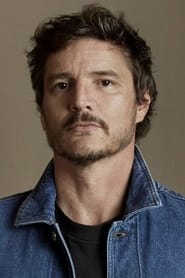
Pedro Pascal, Sigourney Weaver, Jonny Coyne, Jeremy Allen White, Dave Filoni |
| Genre |
Action, Adventure, Science Fiction |
| Year |
2026 |
| Runtime |
2h 12m |
| Country |
United States |
| IMDB Rating |
6.6 / 10 (107 votes) |
| Streaming |
Theatrical release (Disney+ to follow) |
The Frame Gets Bigger: Favreau’s Visual Language
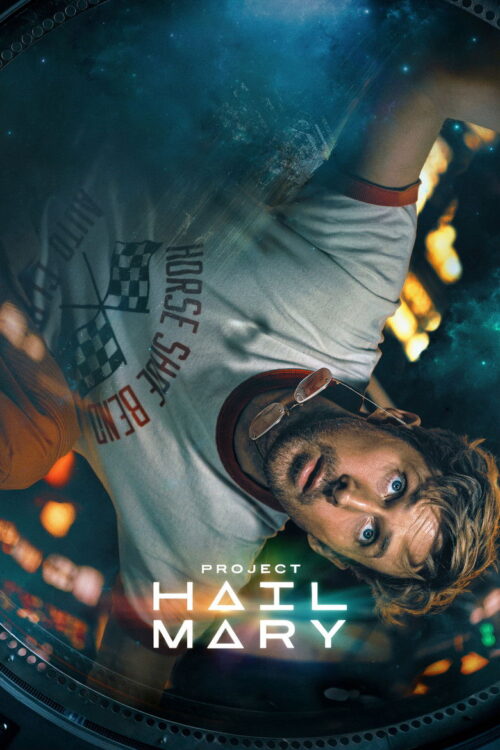
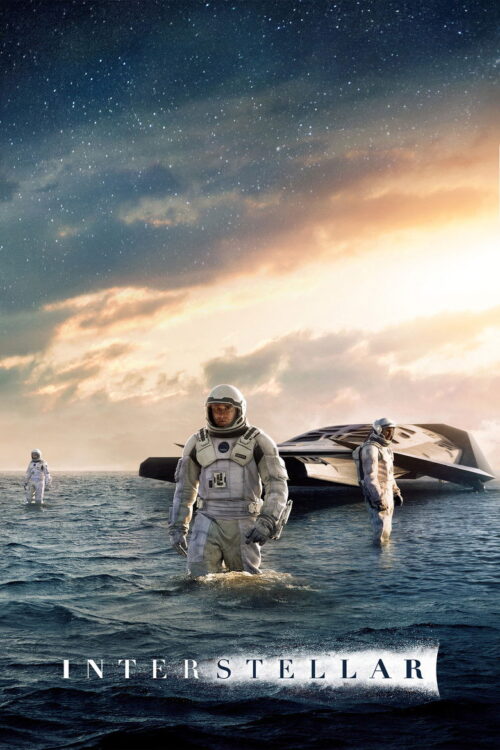
The most immediate question facing Star Wars: The Mandalorian and Grogu was whether a property engineered for the small screen could justify the multiplex. Favreau answers it through scale of composition rather than mere spectacle. Where the series leaned on the close, contained geometry of the StageCraft volume, the film opens its framing outward, letting horizon lines and negative space carry weight that television rarely affords. The cinematography treats the desert and the hangar bay as architecture, not backdrop, and the camera lingers long enough for the audience to register depth. There is a deliberate formal restraint here: Favreau resists the frantic cutting that defines much contemporary action cinema, favoring longer takes that let choreography read cleanly. The sound design does comparable work, with the metallic register of beskar armor and the low diegetic hum of sublight engines mixed forward to anchor the viewer in physical space. The score, propulsive and percussive, borrows the franchise’s leitmotif logic without leaning on nostalgia as a crutch. It is a film that understands the difference between loudness and intensity. Practical creature effects and physical sets give the production a tactility that the studio’s more digitally saturated entries lack, and that tactility is the picture’s strongest aesthetic argument. The color grade reinforces the approach, holding to a muted, sun-bleached palette that resists the candied saturation common to modern blockbusters and keeps the galaxy feeling lived-in and weathered. Editing rhythm matters here too: Favreau cuts on action and intention rather than on impact, so the geography of each confrontation stays coherent even at speed. Viewers drawn to ambitious large-canvas science fiction will find a useful companion in Project Hail Mary, another 2026 release that treats the genre’s hardware with similar conviction. Favreau’s direction is not radical, but it is disciplined, and that discipline is what carries the transition from episode to feature.
Performance Under the Helmet
The central performance challenge of Star Wars: The Mandalorian and Grogu is unchanged from the series: Pedro Pascal must build interiority while his face stays hidden. He does it through posture, pacing, and the calibrated stillness of a body trained to wait. Din Djarin reads as a man whose entire emotional vocabulary has been compressed into the angle of a head tilt, and Pascal makes that compression legible rather than opaque. The film wisely treats Grogu not as a marketing object but as a genuine dramatic counterweight, a creature whose curiosity and fear give the bounty hunter something to protect and, more importantly, something to answer to. Their relationship is the picture’s spine, and the screenplay understands that the most interesting tension is not whether they survive a given threat but whether Din can reconcile the foundling’s growth with his own instinct to shield. Sigourney Weaver, as Colonel Ward, supplies the institutional menace the story needs. She plays the Imperial remnant officer with cool bureaucratic conviction rather than cackling villainy, and that choice raises the stakes precisely because she seems reasonable. Jonny Coyne’s Lord Janu adds a colder, more ideological threat at the margins. The supporting roster, dense with franchise voices, occasionally tips toward fan service, but the central pairing is strong enough to absorb it. The decision to keep Grogu a tactile presence on set, rather than a fully post-rendered insert, pays clear dividends; the other actors are visibly reacting to something physically present, and their eyelines never drift into the vague middle distance that betrays digital placeholders. Pascal and the performers operating Grogu generate the kind of wordless rapport that makes the film’s quieter beats land. Character psychology, not plot mechanics, is where this entry earns its emotional credit.
Critical Note: Television’s Migration to the Multiplex
The release strategy behind this film is as instructive as its content. For years the studio funneled its flagship galaxy into streaming, treating theatrical Star Wars as a paused franchise. Bringing a streaming-born property to cinemas inverts the standard pipeline, which historically moved films toward television rather than the reverse. It is a calculated bet that an audience built episode by episode can be converted into a ticket-buying public, and that brand familiarity lowers the marketing cost of a theatrical launch. The franchise also gains something streaming could not supply: the cultural event status that only a wide cinema release still confers, with its attendant press cycle, premiere coverage, and opening-weekend conversation. The bet reflects a broader industry recalibration, in which streaming subscriber growth has plateaued and the box office remains the clearest measure of cultural reach. Whether this model becomes a template or a one-off depends entirely on the numbers this release posts in its opening weeks.
Structure, Theme, and the Coming-of-Age Engine
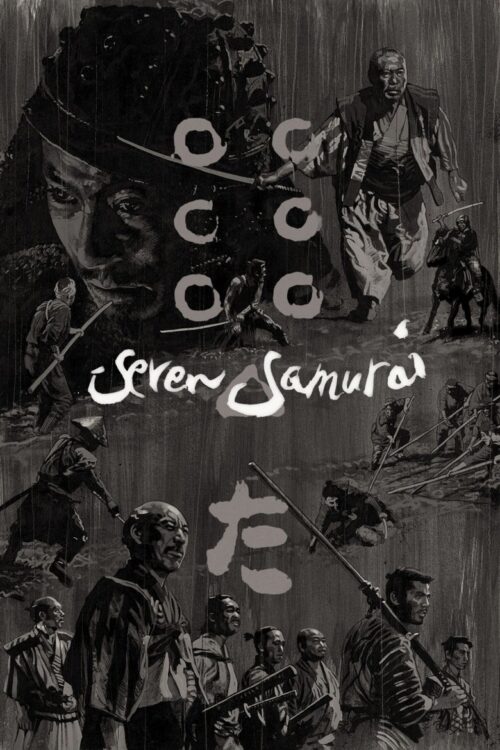
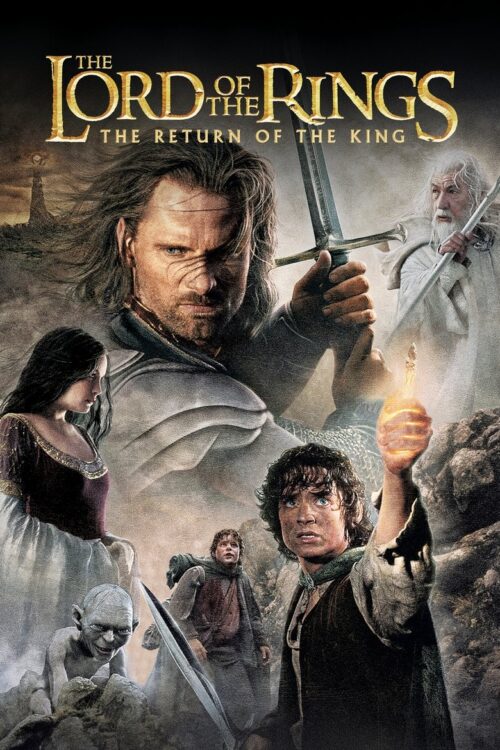
Dramatically, Star Wars: The Mandalorian and Grogu is built as a coming-of-age story disguised as an action picture, and that disguise is its smartest structural decision. Favreau has spoken openly about Grogu’s maturation as the film’s true subject, and the screenplay organizes its turning points around the foundling’s developing agency rather than around Din Djarin’s competence. Each set piece functions as a test that pushes Grogu from passive cargo toward active participant, and the dramatic architecture rewards the audience for tracking that shift. The Imperial remnant plot, with Colonel Ward and Lord Janu pursuing the child for reasons rooted in the Force, is finally a pretext: a sturdy external engine that exists to force the internal question of whether a hardened bounty hunter can become a parent rather than merely a guardian. The film’s emotional resolution lands on that distinction. Protection is an instinct; parenting is a choice to let the protected one face danger and grow. The chosen-family theme that powered the series is here pushed to its logical endpoint, and the ending frames the bounty hunter’s surrender of control as an act of love rather than failure. The screenplay treats that surrender as the genuine climax, positioning it above any pyrotechnic confrontation, and the cut gives the quiet beat the room it needs to register. This places the picture in a long lineage of films about reluctant guardians and the wards who outgrow them. The clearest ancestor is Seven Samurai, Akira Kurosawa’s study of warriors who protect what they cannot keep, a film whose influence on the franchise’s DNA is well documented. The quest structure also rhymes with the fellowship logic of The Lord of the Rings: The Return of the King, where the burden carried is ultimately spiritual rather than physical. What keeps the film from sentimentality is its formal economy: it states its theme through action and withholds the speech that a lesser script would deliver. The result is a satisfying close that earns its warmth rather than demanding it.
Frequently Asked Questions
Where can you watch Star Wars: The Mandalorian and Grogu?
The film opened theatrically in 2026 and is currently available in cinemas. As a Lucasfilm production distributed by Walt Disney Studios, it is expected to arrive on Disney+ after its theatrical window closes, in line with the studio’s standard release pattern for its major titles. No streaming date had been confirmed at the time of writing.
Is The Mandalorian and Grogu connected to the Disney+ series?
Yes. The film is a direct continuation of the Disney+ series The Mandalorian, carrying forward Din Djarin and Grogu’s story. New viewers can follow the plot without prior episodes, but familiarity with the series deepens the emotional payoff of the central relationship.
Who plays the Mandalorian in the movie?
Pedro Pascal returns as Din Djarin, the title bounty hunter, performing the role almost entirely beneath the character’s beskar helmet. Sigourney Weaver joins the cast as Imperial remnant officer Colonel Ward, with Jonny Coyne as Lord Janu and Jeremy Allen White voicing Rotta the Hutt.
What films are similar to The Mandalorian and Grogu?
Viewers who enjoy its blend of adventure and hardware-driven science fiction should explore Project Hail Mary for large-scale genre filmmaking, or revisit other science fiction titles in the GetMovie catalogue for comparable world-building and tone.